When you’re staring at a stack of expensive lumber, the last thing you want is a “guesswork” project. Whether you’re a weekend warrior or a seasoned craftsman, the goal is always the same: clarity, precision, and a finished product you’re proud to show off.
Ted’s Woodworking has been the talk of the DIY community for years, claiming to be the world’s largest database of woodworking plans. But in 2026, with so many free (and often confusing) resources online, does it still hold up?
In this honest breakdown, we’ll look at what’s actually inside the 16,000-plan vault, how real users are building with it, and whether it’s worth your hard-earned money.
What Exactly is Ted’s Woodworking?
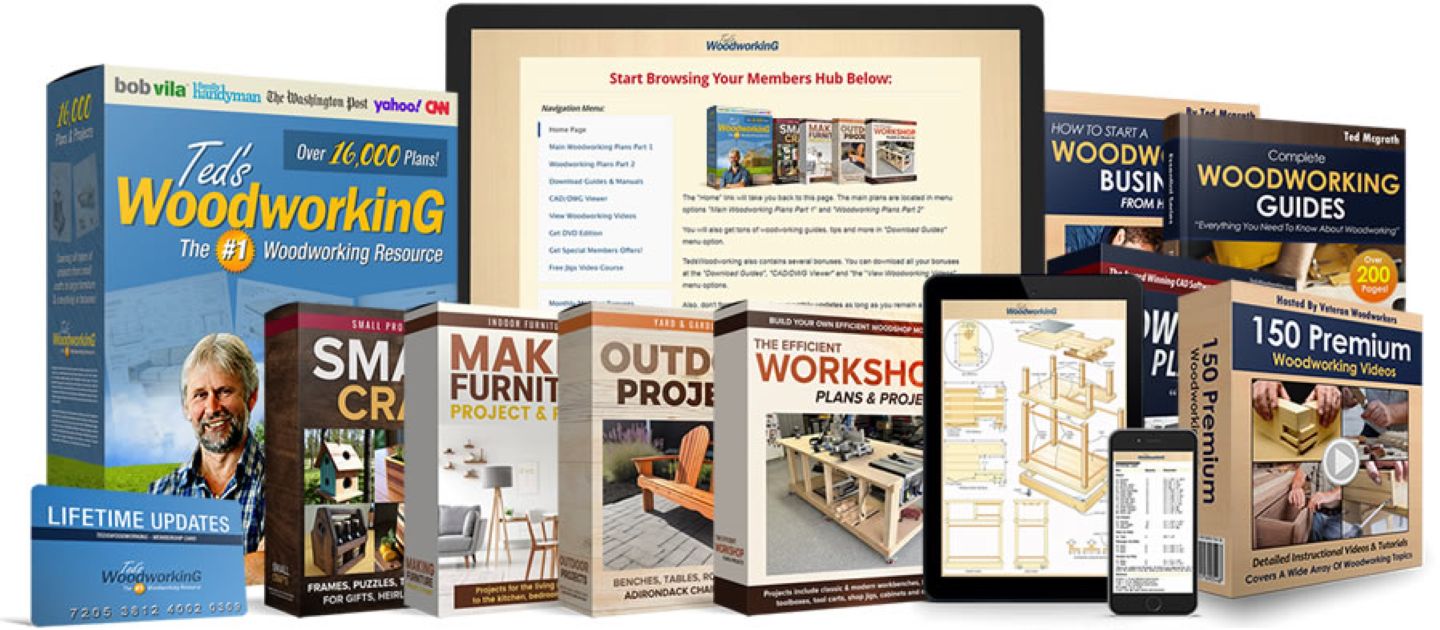
Created by educator and master craftsman Ted McGrath, this is a massive digital library designed to eliminate the “planning phase” fatigue. Instead of hunting through old magazines or sketchy Pinterest links, you get a centralized hub of searchable PDFs.
Each plan is built around an action-based framework:
- Complete Visuals: 3D diagrams so you see how it fits before you cut.
- Step-by-Step Instructions: No “fill in the blanks” moments.
- Exact Cutting Lists: Tells you exactly how much wood to buy (saving you a fortune at the lumber yard).
- Tool Requirements: Know if you need a table saw or just a hand drill before you start.
Pro Tip: Since it’s 100% digital, you can pull up the plans on your tablet right at the workbench or print only the pages you need for that day’s build.

Why This is the “Go-To” for Modern DIYers
The biggest frustration in woodworking isn’t the physical labor—it’s the math errors. A single missed 1/8th of an inch can ruin a $200 piece of walnut.
Ted’s Woodworking solves the three biggest hurdles:
- Inconsistent Free Plans: Most “free” plans online are missing critical measurements.
- Visualization: Beginners often struggle to see how joints come together; the 3D schematics bridge that gap.
- Project Paralysis: With categories ranging from “Art Centers” to “Z-Shaped Bookshelves,” you’ll never run out of inspiration.
Real Results: What People Are Building
We reached out to the community to see what’s actually coming out of home workshops this year.
1. The Beginner’s Win: The “Sunday Bench”
- User Experience: “I’d never used a miter saw before this. The instructions were broken down into such small chunks that I didn’t feel overwhelmed. I finished a garden bench in about 4 hours.”
- The Result: A sturdy, professional-looking piece that looks like it came from a high-end furniture store.
2. The Home Upgrade: Custom Garage Storage
- User Experience: “Commercial shelving units were going to cost me $600. I used the heavy-duty rack plans from Ted’s and built a custom wall-to-wall system for under $150 in materials.”
- The Result: Maximized space with shop-grade durability.
More Comments from DIY builders
One common group that uses Ted’s Woodworking is complete beginners. These are people who may have basic tools but little experience turning raw wood into finished projects.
Real User Experience (Beginner Project)
“Ted’s Woodworking is worth every penny. The variety of projects is amazing, and the step-by-step plans are super easy to follow. I especially love the option to request custom plans—it really makes the experience feel personalized. Whether you’re new to woodworking or have years of experience, this package delivers great value. It’s truly reignited my passion for building!”
-Brian Pally
Beginners often describe their experience as “less intimidating” because:
- Instructions are broken into small steps
- Visual diagrams help avoid confusion
- The plan provides direction from start to finish
For beginners, the value lies not in speed, but in confidence—knowing what to do next without guessing.
Practical Home Projects and Everyday Builds
Another major use case for Ted’s Woodworking is practical home improvement. Many users are not trying to become professional woodworkers; they simply want to build things that serve a purpose.
Common real-life projects include:
- Garage storage shelves
- Tool racks
- Outdoor furniture
- Cabinets and organizers
- Garden items
Real User Experience (Home Improvement)
“I recently got Ted’s Woodworking and couldn’t be happier. The step-by-step guides and videos helped me improve my skills quickly. Every plan includes clear diagrams and accurate measurements, which makes each project easy to follow. I also ordered the DVDs and USB—getting everything delivered was a great bonus. This has become my go-to resource for all my woodworking projects.”
-Kevin Roane
Users often mention that having exact measurements helps avoid material waste. This is particularly important when working with limited budgets or expensive wood.
Hobby Woodworkers and Long-Term Use
For hobbyists, Ted’s Woodworking tends to function as a project idea library. Instead of building the same items repeatedly, users browse the plans for inspiration.
Real User Experience (Hobby Build)
“I recently got Ted’s Woodworking and couldn’t be happier. The step-by-step guides and videos helped me improve my skills quickly. Every plan includes clear diagrams and accurate measurements, which makes each project easy to follow. I also ordered the DVDs and USB—getting everything delivered was a great bonus. This has become my go-to resource for all my woodworking projects.”
-Eddy LeBlanc
This variety helps keep woodworking engaging over time. Some users report starting with simple builds and gradually moving to more complex projects as their confidence grows.
The Pros and Cons (The Honest Truth)
| Pros | Cons |
| Massive Variety: 16,000+ plans means you’ll find everything from birdhouses to cabins. | Information Overload: The library is huge; it takes a minute to get used to the search function. |
| One-Time Payment: No monthly subscriptions or hidden “premium” fees. | Digital Only: There is no physical book, so you’ll need a device or a printer. |
| Cut Lists Included: Significantly reduces material waste and extra trips to the store. | Style Variation: Some older plans look different from the modern ones. |
Is It Worth the Investment?
If you plan on building more than two projects this year, the answer is yes. Buying individual professional plans can cost $20 to $50 each.
With the current 2026 promotion, you’re getting thousands of plans for less than the cost of a high-quality router bit. Plus, the 60-Day Money-Back Guarantee (handled securely via ClickBank) means if you don’t find a project you love, you aren’t out a dime.
[Check the Current Discounted Price on the Official Website Here]
The 2026 Digital Experience: Navigating the 16,000 Plan Vault
One of the biggest questions buyers have is: “How do I actually find what I need in a library that big?” In 2026, the digital interface has been streamlined to help you avoid “scroll fatigue.”
The plans are categorized into roughly 50 distinct sections, including:
- Large Structures: Barns, sheds, gazebos, and cabins.
- Home Furniture: Beds, dining tables, dressers, and coffee tables.
- Workshop Essentials: Custom jigs, workbenches, and tool organizers.
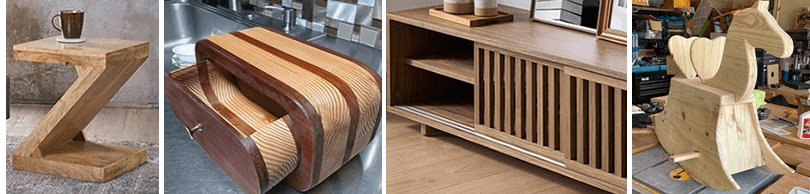
- Small Crafts: Jewelry boxes, birdhouses, and toys.
The Search & Print System
Unlike traditional books, Ted’s Woodworking uses a keyword-searchable index. If you want to build a “Nightstand,” you don’t have to flip through thousands of pages. You simply search the term, preview the blueprints, and download the specific PDF.
Expert Insight: Many users recommend downloading the plans to a cloud service like Google Drive or Dropbox. This allows you to open the high-resolution 3D diagrams on a tablet while you’re physically at your saw, so you can zoom in on complex joints without getting sawdust on a paper manual.
Deep Dive: Anatomy of a “Ted’s Woodworking” Plan
What sets a “professional plan” apart from a “blog post sketch”? Let’s look at the four pillars included in every high-quality download within the vault.
1. The Component Schematic
You get a “bird’s eye view” of the project. This is crucial for 2026 builders who use modular assembly. It shows exactly how the “Sub-assemblies” (like a drawer box) fit into the “Main assembly” (the desk frame).
2. The Comprehensive Cutting List
This is arguably the most valuable part for the budget-conscious DIYer. The cutting list tells you exactly how many board feet of lumber to buy.
- Saves Money: No more over-buying “just in case.”
- Saves Time: You can have the lumber yard pre-cut the large sheets of plywood to your exact specs, making transport much easier.
3. Step-by-Step “LEGO-Style” Instructions
The instructions are written for someone who isn’t a master carpenter. They use “action-first” language: “Secure Part A to Part B using 1.5-inch wood screws,” rather than vague architectural jargon.
4. Detailed Material & Tool Requirements
Each plan lists the specific hardware (hinges, drawer slides, fasteners) and tools required. This prevents the “middle of the project” realization that you’re missing a specific Forstner bit or a specialized clamp.
Real-World Project Spotlight: Building the “Craftsman Workbench”
To give you a taste of the results, let’s look at the Craftsman Workbench, one of the most popular downloads in the library.
- Difficulty: Intermediate
- Time Investment: Two weekends
- Tools Required: Circular saw (or table saw), drill, clamps, and a sander.
The User Experience: “I’ve always wanted a heavy-duty bench but prices at specialty stores are $800+. Using Ted’s plan, I used standard 4x4s and 2x6s from the local hardware store. The plan’s assembly guide for the ‘vise’ was the most helpful part—it saved me from a massive alignment headache.”
Comparing 2026 Alternatives: Why Not Just Use YouTube?
We often get asked: “Why pay for plans when YouTube is free?” While YouTube is great for inspiration, it’s a poor blueprint. Most videos don’t give you a printable PDF you can take into the shop. You end up pausing and rewinding 50 times to catch a measurement that the creator mentioned for half a second.
Ted’s Woodworking provides the “Paper Trail” that YouTube lacks:
- No Buffering: PDF access is instant and offline.
- Scale: You get exact dimensions, not just a “general idea.”
- Reliability: These plans are vetted for structural integrity.
Master the “One-Time Buy” Strategy
Ted’s Woodworking is famously a one-time payment product. In a world where every software and hobby tool wants a $15/month subscription, this is a breath of fresh air.
How to maximize your value:
- The Bonus Downloads: Don’t ignore the “How to Start a Woodworking Business” guide. Even if you just want to sell a few cutting boards at a local farmer’s market, the marketing tips are gold.
- The CAD Viewer: The package includes a DWG/CAD viewer. This allows you to modify the plans digitally if you’re tech-savvy, effectively giving you 16,000 templates you can customize.
- The Lifetime Updates: As Ted adds new designs (modern 2026 styles like “Minimalist Scandi” or “Industrial Loft”), you get access to them without paying again.
The Verdict: Who Should Buy This?
You SHOULD buy this if:
- You are tired of “winging it” and wasting expensive wood.
- You want a lifetime library of gift ideas (holidays, birthdays, weddings).
- You are a beginner who needs a “mentor in a box” to guide your first few builds.
- You want to build functional items (sheds, decks, dog houses) that add value to your home.
You should SKIP this if:
- You only plan on building one single item (just buy a single plan elsewhere).
- You don’t have access to a printer or a tablet for the workshop.
- You prefer watching 20-hour video courses over reading diagrams.
Final Honest Thoughts
Is every single one of the 16,000 plans a “masterpiece”? Honestly, no. Some of the older plans feel a bit dated. However, if even 1% of the plans are useful to you, you’re getting 160 professional blueprints for under $70. That’s less than 50 cents per plan.
For the sheer volume of inspiration and the precision of the high-end furniture plans, Ted’s Woodworking remains the best value-for-money investment a DIYer can make in 2026.
[Ready to unlock the vault? Click here to get the 2026 Discounted Access to Ted’s Woodworking]
Frequently Asked Questions
Do I need a professional workshop to use these plans?
No! Thousands of projects are designed specifically for “apartment woodworkers” or people with a single workbench in the garage. Many plans only require a basic drill and a hand saw.
Is the payment secure?
Yes. The checkout is handled by ClickBank, which is the gold standard for secure digital transactions. They also handle the 60-day money-back guarantee, so your refund is guaranteed if you aren’t happy.
Can I use these plans to build things and sell them?
Yes! Many users use these blueprints to create inventory for Etsy, craft fairs, or local commissions. Since you own the plans, you are free to sell the physical items you build.
How do I get the “2026 Bonus Pack”?
When you use the official link, the bonus guides (including the 3D Modeling Software and the “Woodworking Business” book) are automatically added to your member’s area at no extra cost.
Is Ted’s Woodworking suitable for absolute beginners?
Absolutely. Many projects are labeled by skill level. If you can read a tape measure and use a drill, you can complete the “Beginner” tier projects.
Do I need a full professional shop?
No. While some furniture requires advanced tools, thousands of plans are designed for basic hand tools or small portable power tools.
What happens after I buy?
You get instant access to the members’ area. You can download the PDFs to your computer, phone, or tablet immediately.
Is the 16,000 number real?
It’s a massive collection. While some plans are more detailed than others, the sheer volume ensures that no matter what niche you’re into—sheds, toys, or fine furniture—there are dozens of options.
Your Next Project Starts Here
Stop scrolling through endless forums and start building. Whether you want to save money on home repairs or start a side hustle selling handmade crafts, having a professional blueprint is the difference between a “scrap pile” and a “masterpiece.”
Check out the full blog post on Teds Woodworking Here.
1 thought on “Ted’s Woodworking Review (2026): The Ultimate Resource for DIY Builders?”